Pad See Ew (Thai Stir Fried Rice Noodles)
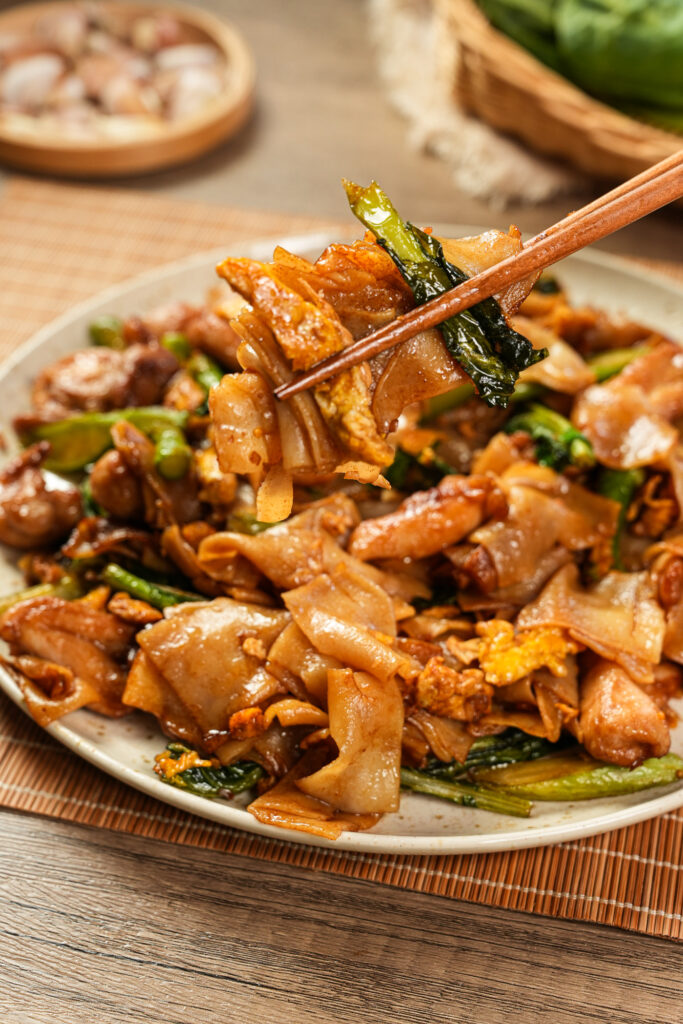
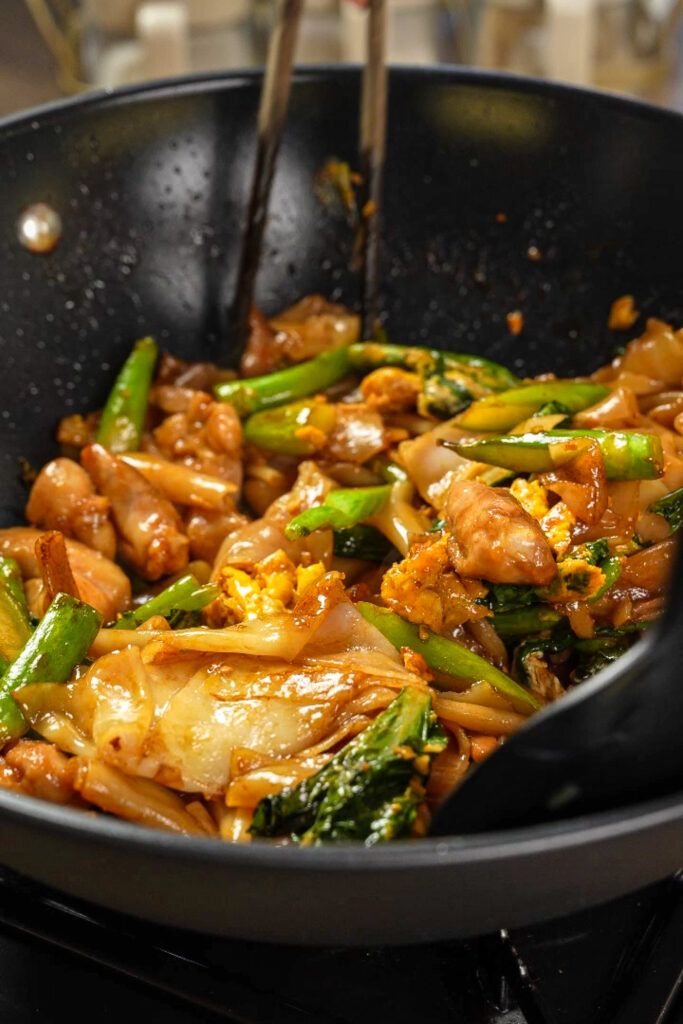
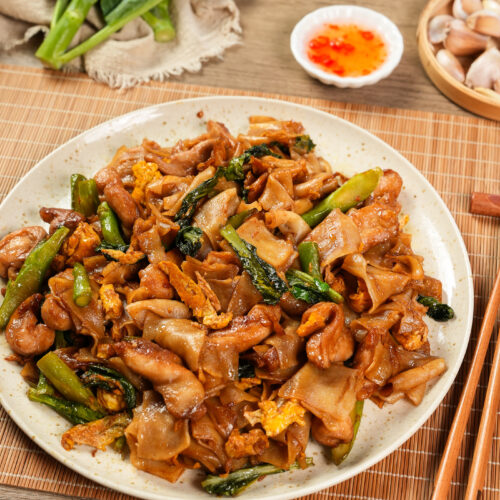
Pad See Ew is one of my favourite Thai noodle dishes to make at home. It has chewy wide rice noodles, tender chicken, crisp-tender Chinese broccoli, eggs, and a rich savoury sauce. The best part is those smoky, slightly charred edges on the noodles.
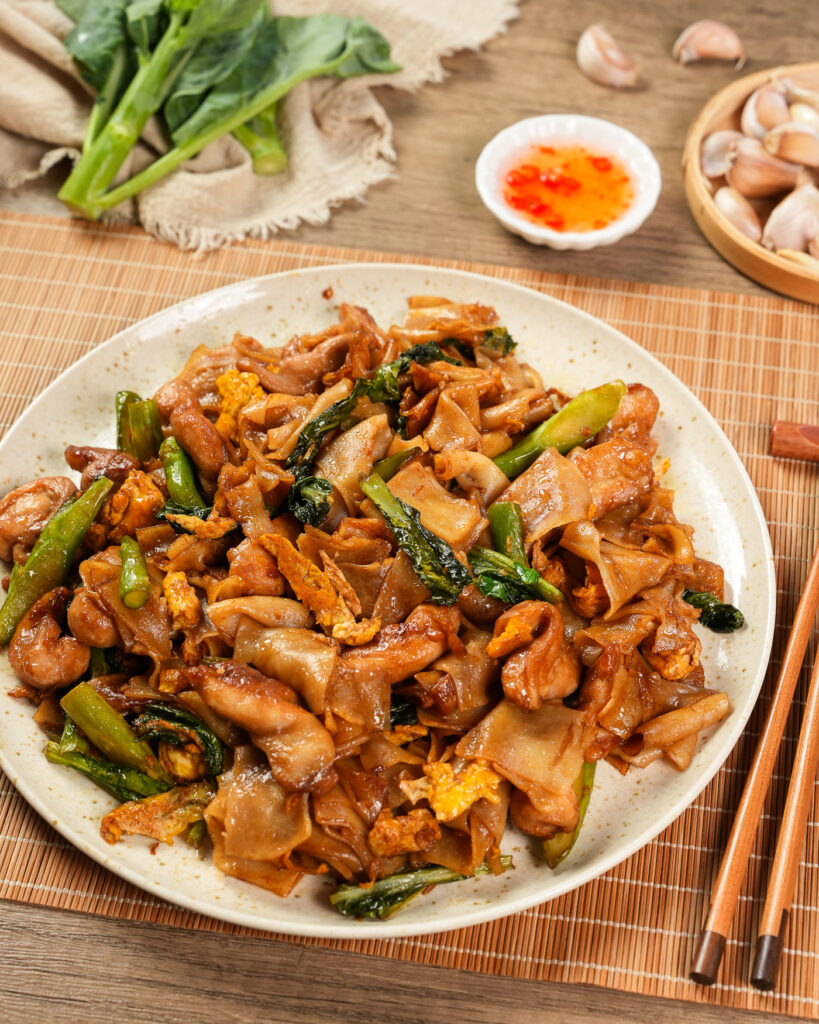
“Pad” means stir-fried, and “see ew” refers to soy sauce, so Pad See Ew roughly means soy sauce stir-fried noodles. It is simple, comforting, and so satisfying.
The key to a good homemade Pad See Ew is using fresh wide rice noodles if possible, cooking everything in stages, and letting the noodles sit in the wok briefly so they can caramelize.
Why You’ll Love This Recipe
This Pad See Ew is savoury, slightly sweet, and full of texture. The noodles are chewy and glossy, the chicken stays tender and juicy, and the gai lan adds a fresh crunch.
It is also a great weeknight noodle dish because the ingredients are simple and the cooking process is quick once everything is prepared.
Ingredients
Main Ingredients
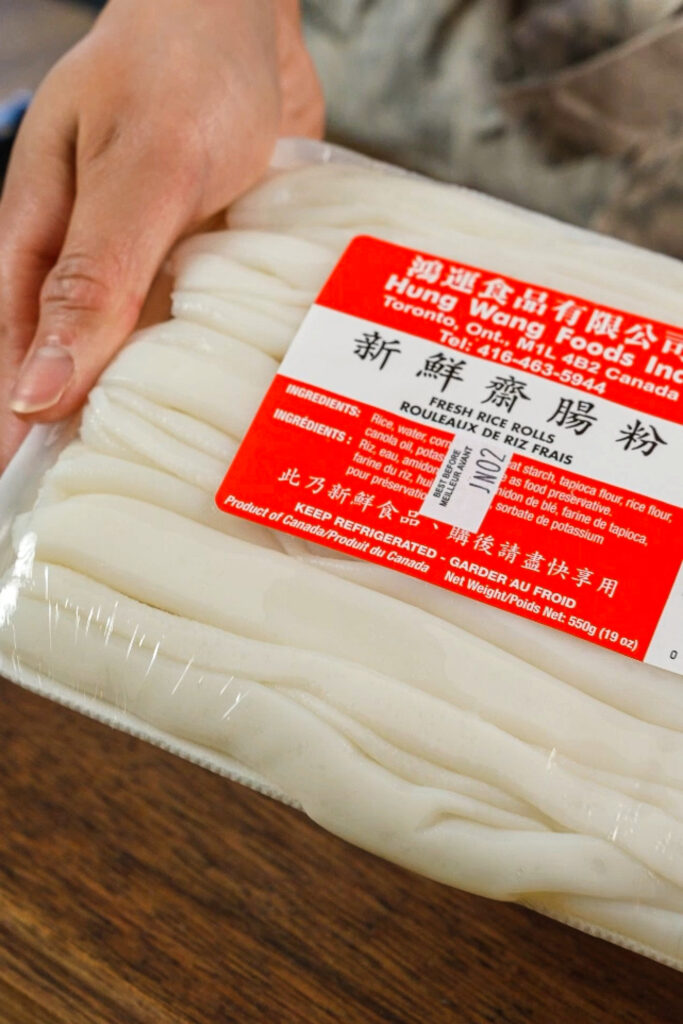
- 15 oz / 450 g fresh rice noodle rolls, cut into wide strips and unrolled
- or 450 g fresh wide rice noodles
- or 200 g / 7 oz dried wide rice noodles, soaked in cold water until softened
- 1/2 lb chicken thigh, sliced into strips, or use chicken breast
- 2 eggs
- 5-6 stems Chinese broccoli, also called Gai Lan
- 2 cloves garlic, minced
- Neutral oil, as needed
Chicken Marinade
- 1 tbsp Thai soy sauce, or light soy sauce
- 1/2 tsp dark soy sauce
- 1/2 tsp sugar
- 1/8 tsp white pepper
- 1 tsp cornstarch
- 1/2 tbsp oil, added after mixing the chicken with the marinade
Sauce
- 1 tbsp Thai soy sauce, or light soy sauce
- 1 tbsp dark soy sauce
- 1 tbsp oyster sauce
- 1 tsp fish sauce
- 1/2 tbsp rice vinegar
- 1 tbsp sugar
Ingredient Notes
Rice noodles
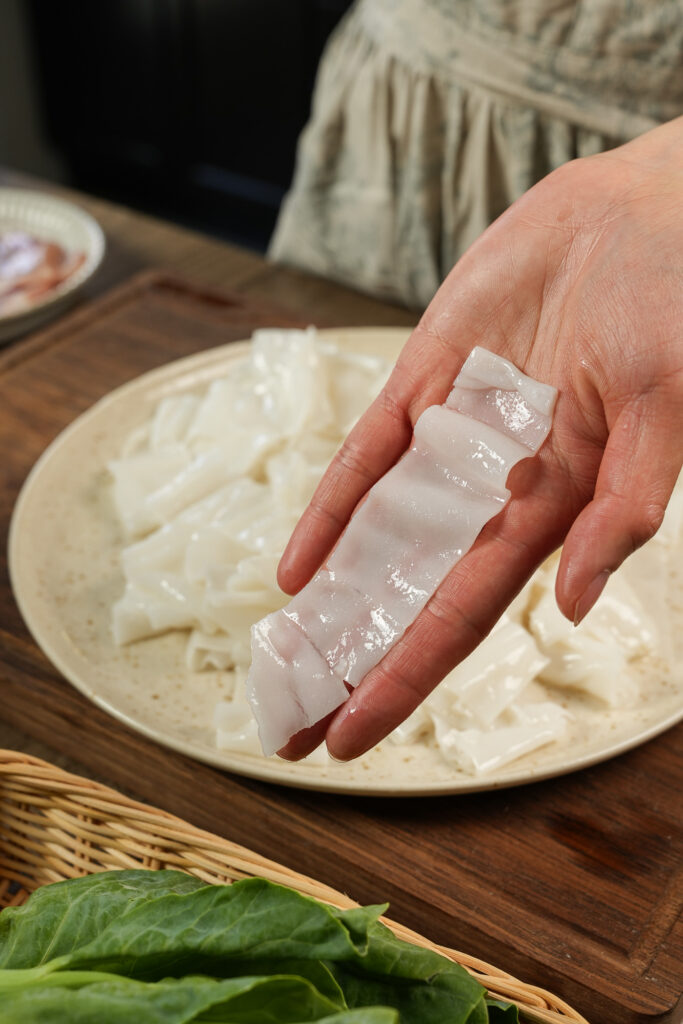
Fresh rice noodle rolls or wide rice noodles are the best choice for Pad See Ew. Choose ones made the same day if possible. The softer the noodles are, the better. If using dried wide rice noodles, soak them in cold water until softened before cooking.
I usually separate the fresh rice noodles as soon as you get home while they are still soft and at room temperature. Toss with a little oil, then store in the fridge. Once rice noodles are chilled, they become firmer and harder to separate.
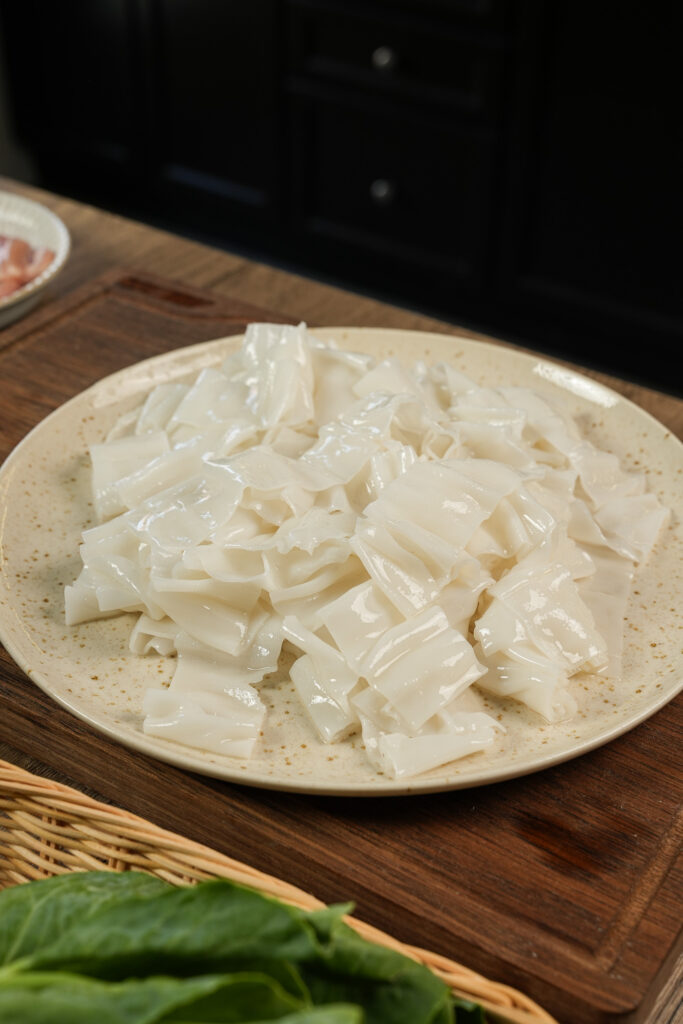
For chilled rice noodles, let them come to room temperature before cooking. You can also warm them slightly in the microwave in short intervals to help loosen them. Gently rolling them against a cutting board can also help separate the noodles without breaking them.
Chinese broccoli
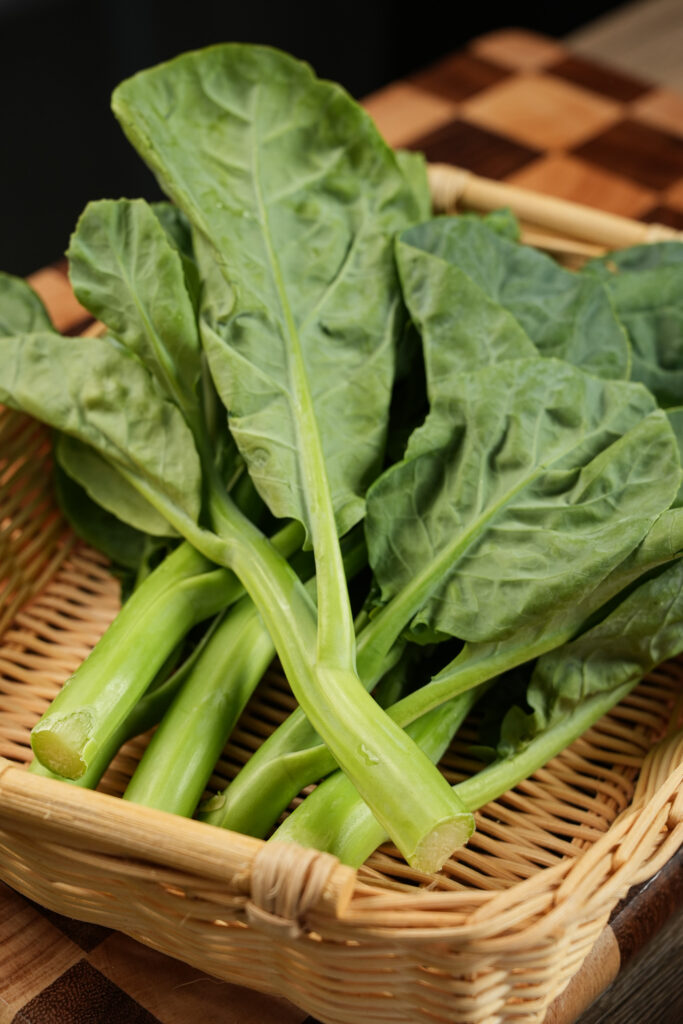
Gai lan is classic for Pad See Ew. Separate the stems and leaves because the stems take longer to cook. Tenderstem broccoli is a good alternative.
Thai Soy Sauce
Thai soy sauce gives this dish the most authentic flavour, but regular light soy sauce works well as a substitute.
How to Make Pad See Ew
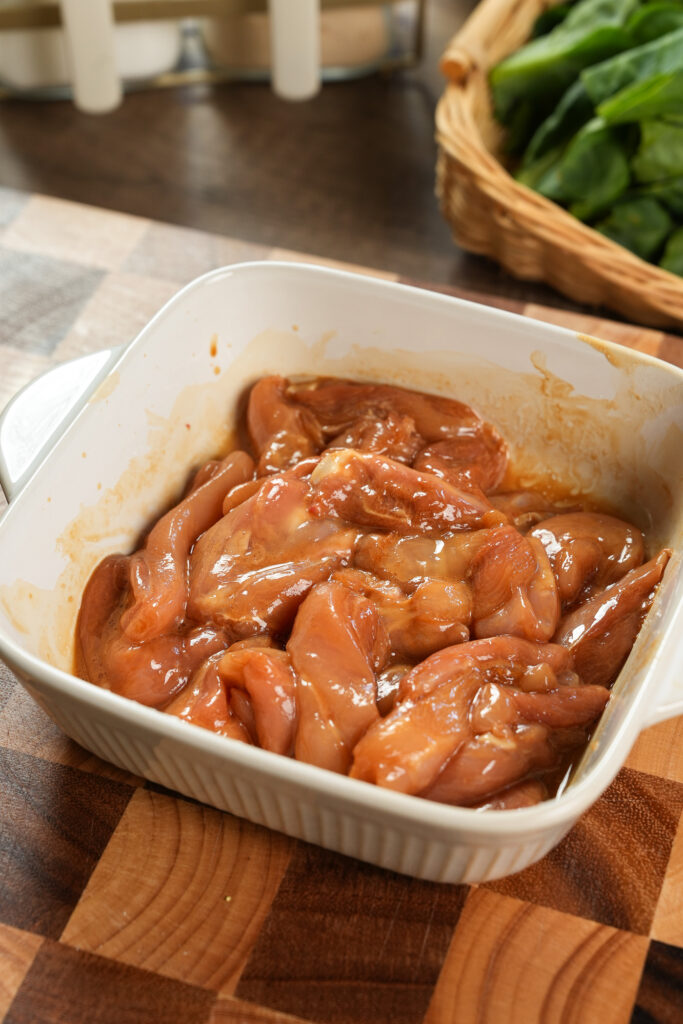
1. Slice the chicken thigh into strips. Add Thai soy sauce, dark soy sauce, sugar, white pepper, and cornstarch. Mix well for about 30 seconds, then add the oil and mix again. This helps keep the chicken juicy.
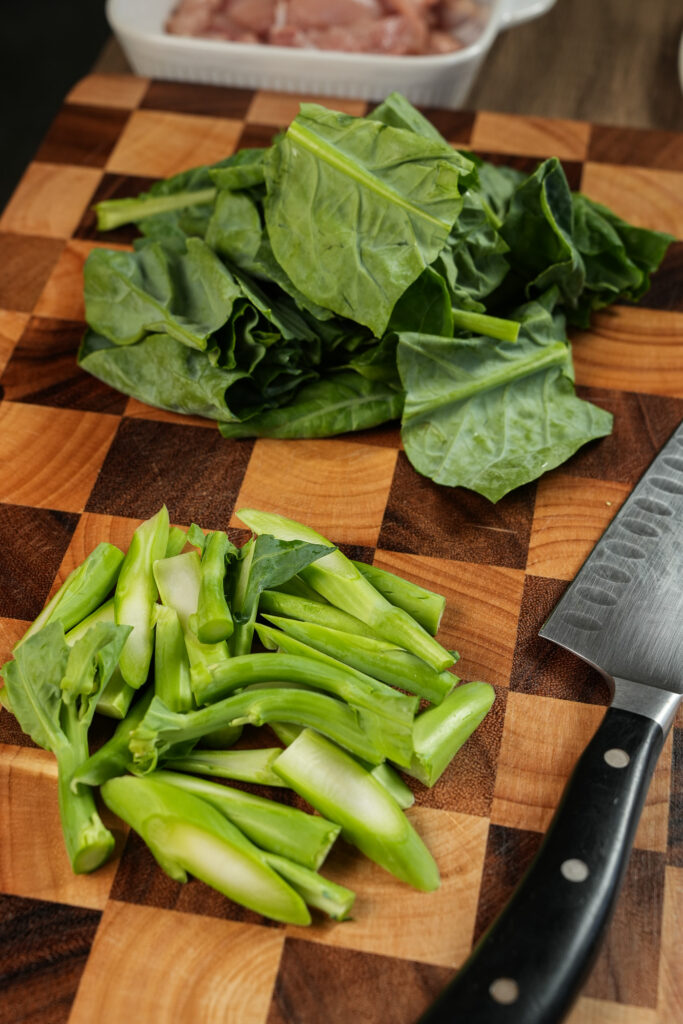
2. Prepare the Chinese broccoli by separating the stems from the leaves. Roughly cut the leaves into segments. Cut the stems diagonally into smaller pieces so they cook faster.
3. Make the sauce by mixing together Thai soy sauce, dark soy sauce, oyster sauce, fish sauce, rice vinegar, and sugar. Stir until the sugar is mostly dissolved.
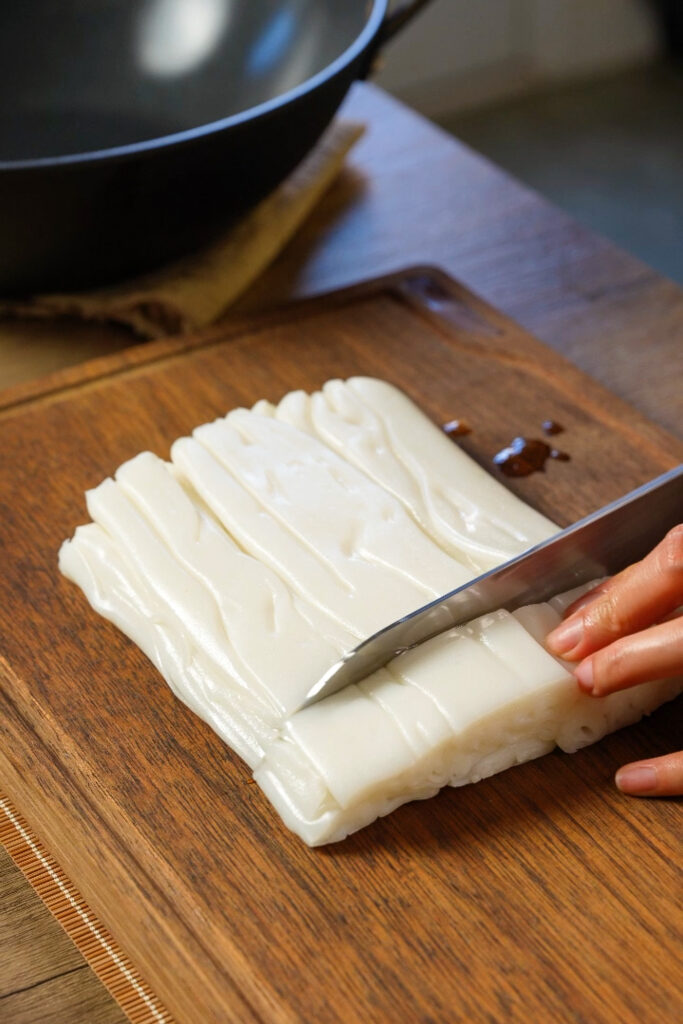
4. If using fresh rice noodle rolls, cut them into wide strips and gently unroll each piece. Toss the noodles with a little oil to prevent sticking.
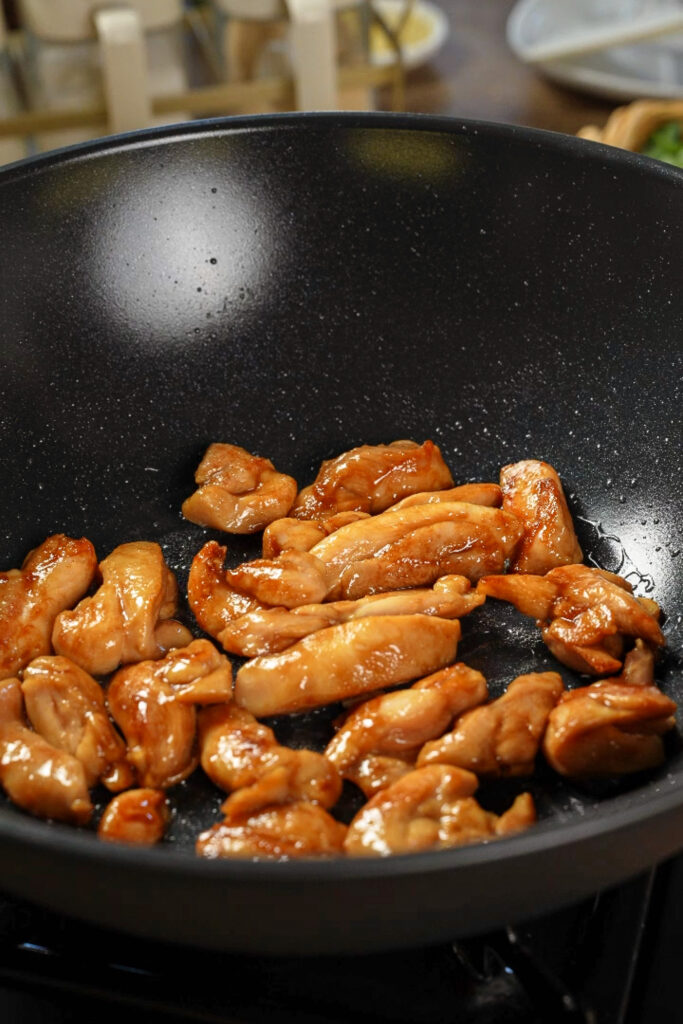
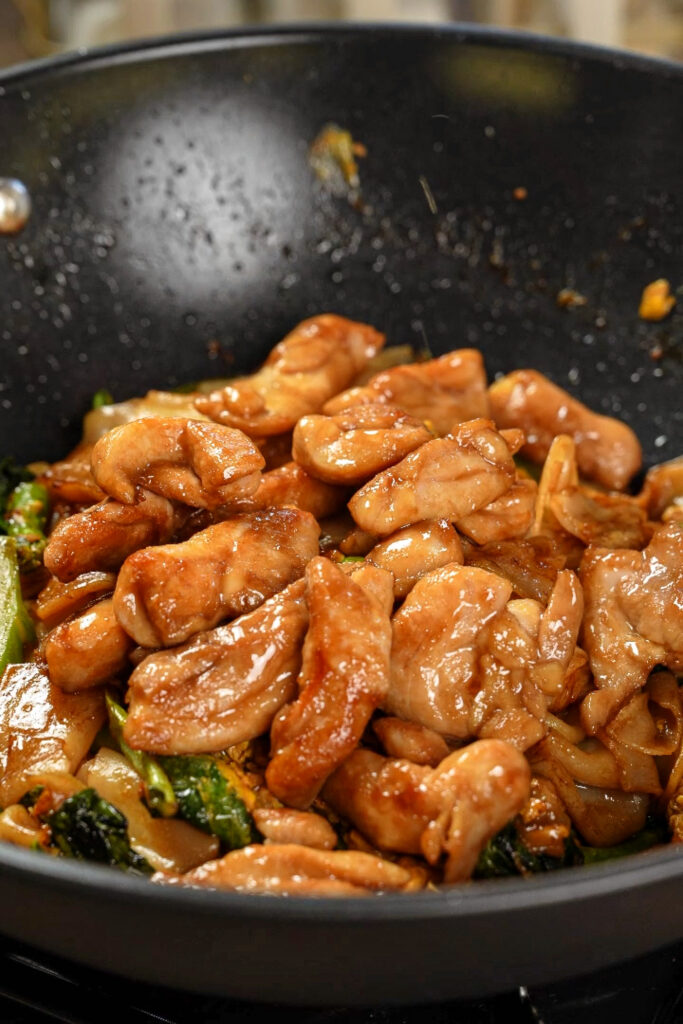
5. Heat a wok or deep pan over medium heat. Add oil, then add the chicken. Spread the chicken into a single layer and let it sit for 1 to 2 minutes, until lightly browned. Flip and cook the other side. Once the chicken has changed colour and is about 90% cooked, remove it from the wok and set aside.
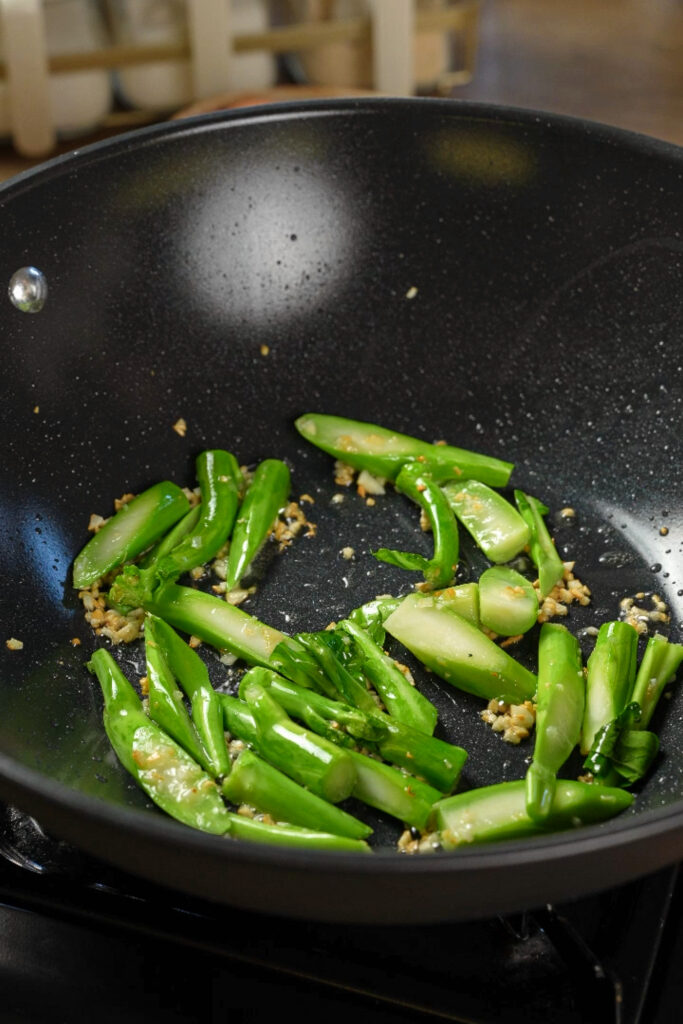
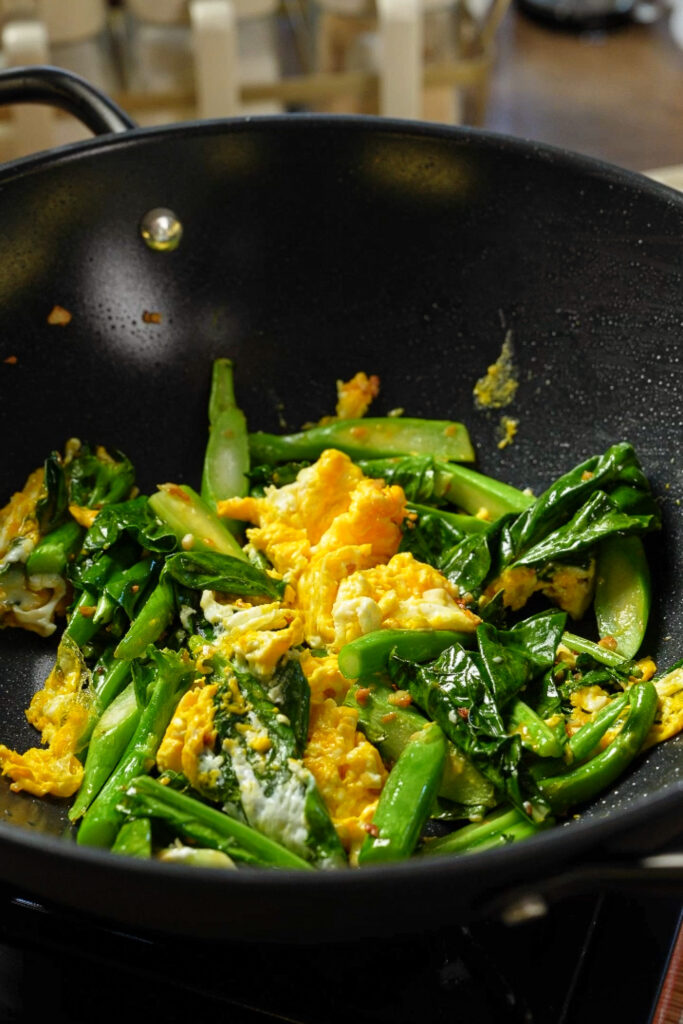
6. Add a little more oil if needed. Add the minced garlic and Chinese broccoli stems. Stir-fry for about 2 minutes, until the stems start to soften. Add the Chinese broccoli leaves and cook until just wilted.
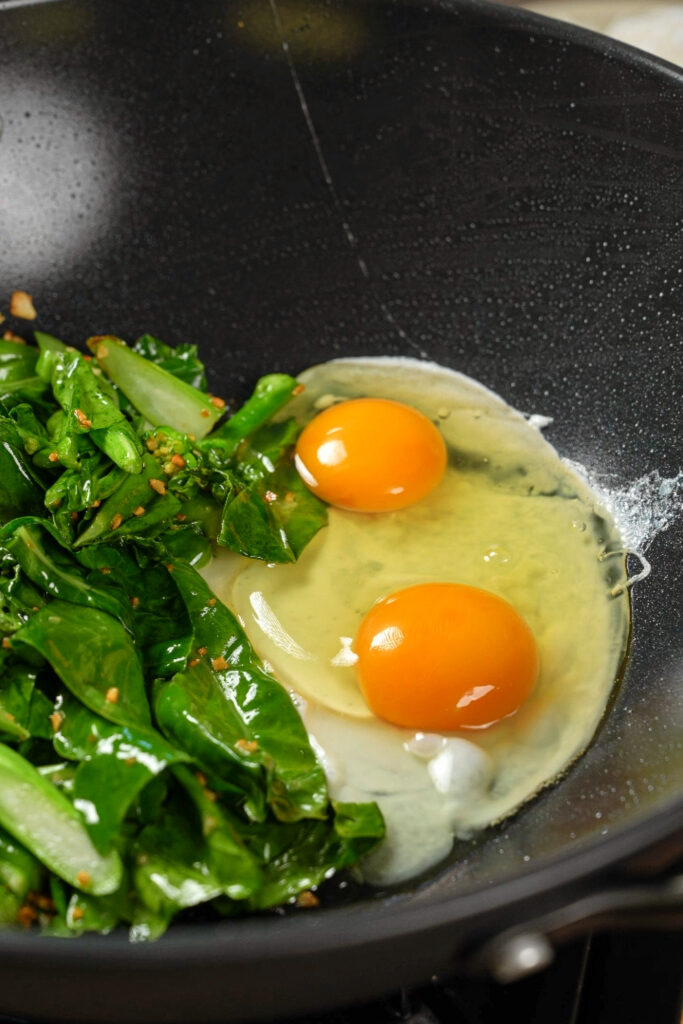
7. Push everything to one side of the wok. Add a little more oil, then crack in the eggs. Gently scramble the eggs, then mix everything together.
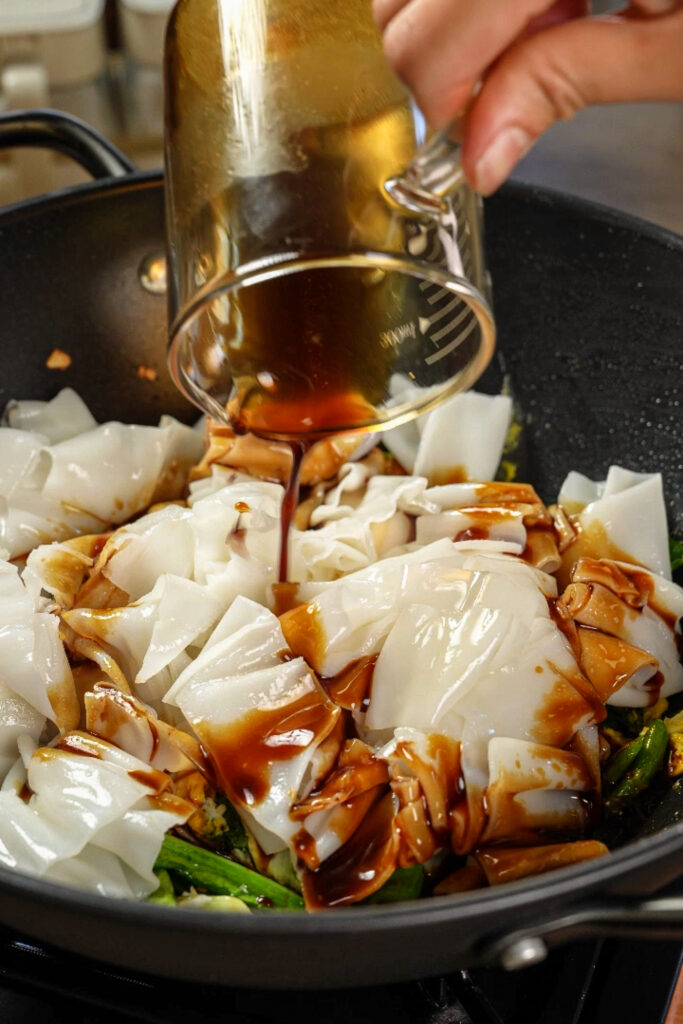
8. Add the rice noodles, then pour in the sauce. Gently toss everything together until the noodles are evenly coated.
9. Let the noodles sit for about 30 seconds to caramelize and get those charred edges. Flip or toss the noodles, then let them sit for another 30 seconds.
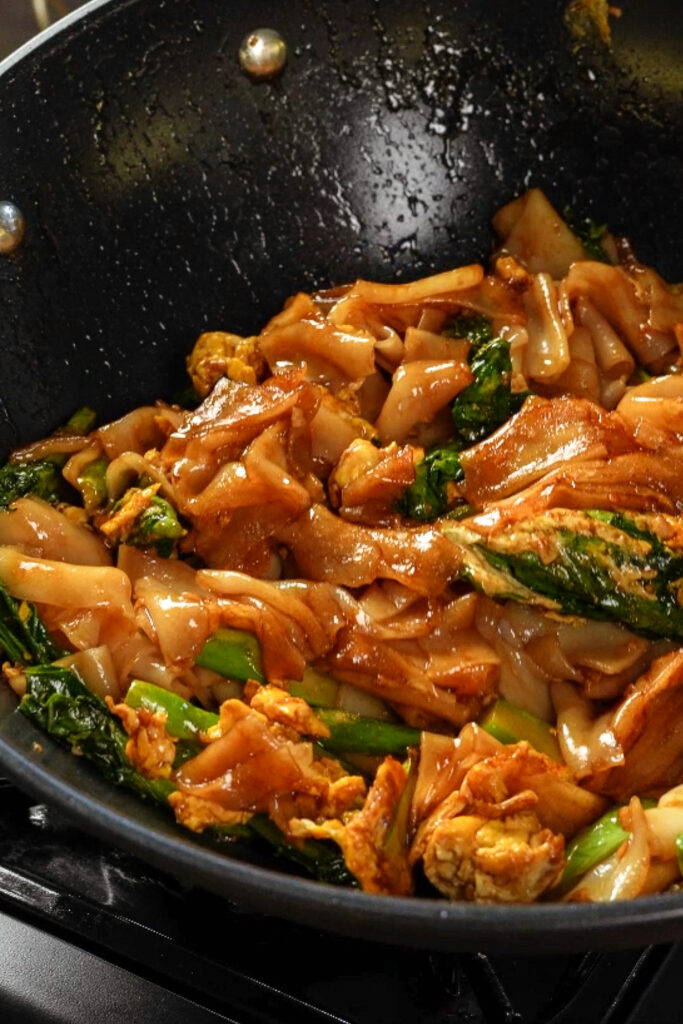
10. Add the chicken back in and give everything one final toss. Serve hot.
Tips for the Best Pad See Ew
Pad See Ew (Thai Stir Fried Rice Noodles)
Equipment
- 1 wok or deep pan
Ingredients
- 450 g (15 oz) fresh rice noodle rolls cut into wide strips and unrolled
- OR 200 g / 7 oz dried wide rice noodles soaked in cold water until softened
- 1/2 lb chicken thigh sliced into strips, or use chicken breast
- 2 eggs
- 5-6 stems Chinese broccoli also called Gai Lan
- 2 cloves garlic minced
- Neutral oil as needed
Chicken Marinade
- 1 tbsp Thai soy sauce or light soy sauce
- 1/2 tsp dark soy sauce
- 1/2 tsp sugar
- 1/8 tsp white pepper
- 1 tsp cornstarch
- 1/2 tbsp oil added after mixing the chicken with the marinade
Sauce
- 1 tbsp Thai soy sauce or light soy sauce
- 1 tbsp dark soy sauce
- 1 tbsp oyster sauce
- 1 tsp fish sauce
- 1/2 tbsp rice vinegar
- 1 tbsp sugar
Instructions
- Slice the chicken thigh into strips. Add Thai soy sauce, dark soy sauce, sugar, white pepper, and cornstarch. Mix well for about 30 seconds, then add the oil and mix again. This helps keep the chicken juicy.
- Prepare the Chinese broccoli by separating the stems from the leaves. Roughly cut the leaves into segments. Cut the stems diagonally into smaller pieces so they cook faster.
- Make the sauce by mixing together Thai soy sauce, dark soy sauce, oyster sauce, fish sauce, rice vinegar, and sugar. Stir until the sugar is mostly dissolved.
- If using fresh rice noodle rolls, cut them into wide strips and gently unroll each piece. Toss the noodles with a little oil to prevent sticking.
- Heat a wok or deep pan over medium heat. Add oil, then add the chicken. Spread the chicken into a single layer and let it sit for 1 to 2 minutes, until lightly browned. Flip and cook the other side. Once the chicken has changed colour and is about 90% cooked, remove it from the wok and set aside.
- Add a little more oil if needed. Add the minced garlic and Chinese broccoli stems. Stir-fry for about 2 minutes, until the stems start to soften. Add the Chinese broccoli leaves and cook until just wilted.
- Push everything to one side of the wok. Add a little more oil, then crack in the eggs. Gently scramble the eggs, then mix everything together.
- Add the rice noodles, then pour in the sauce. Gently toss everything together until the noodles are evenly coated.
- Let the noodles sit for about 30 seconds to caramelize and get those charred edges. Flip or toss the noodles, then let them sit for another 30 seconds.
- Add the chicken back in and give everything one final toss. Serve hot.